03 / Techniques
The Art of
the Print
The portfolio encompasses eight distinct printmaking traditions, each with its own history, process, and visual character. Together, they demonstrate the breadth and richness of printmaking as a medium for artistic expression.
01
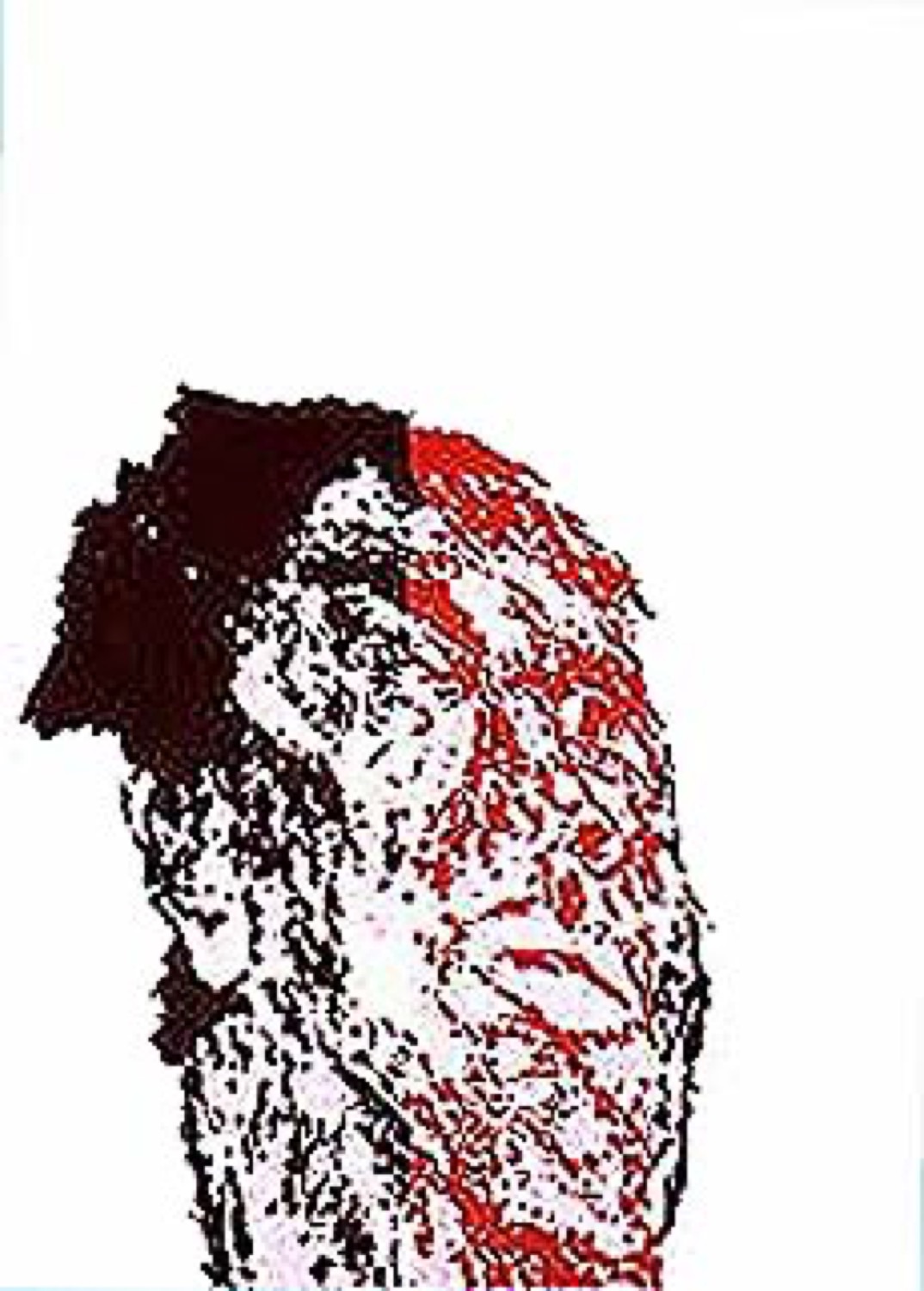
Woodcut
Made by cutting into the broad face of a plank of wood, usually with a knife. The artist cuts away areas not meant to print. These cut-away areas appear in the finished print as the white parts of the design, while the ink adheres to the raised parts.
Process
The artist draws the design directly onto the wood, then cuts away the negative spaces with gouges and knives. The remaining raised surface is inked with a roller and pressed onto paper, transferring the image.
Example in the Portfolio
H&O 10 — Fumio Kitaoka (Japan)
02
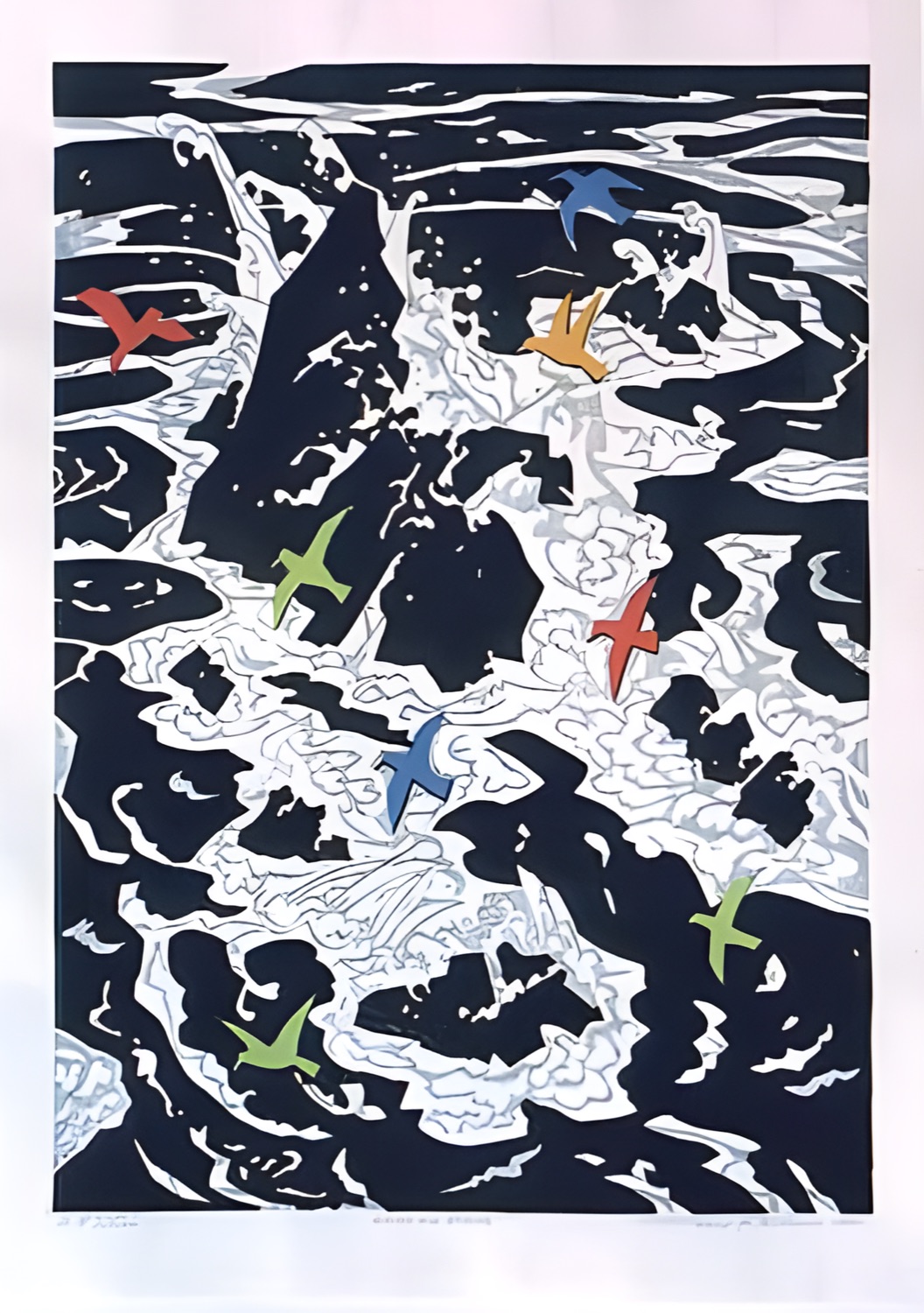
Linocut
As with the woodcut, but the cutting is done in linoleum rather than wood. The uniformly smooth surface of linoleum allows for bold, graphic forms and strong contrasts — qualities that lend the medium an immediate, powerful visual presence.
Process
Linoleum is cut with sharp gouges to remove areas that will remain unprinted. The surface is rolled with ink and pressed onto paper, producing clean, high-contrast images with expressive line quality.
Example in the Portfolio
H&O 32 — Yuly Mintchev (Bulgaria)
03
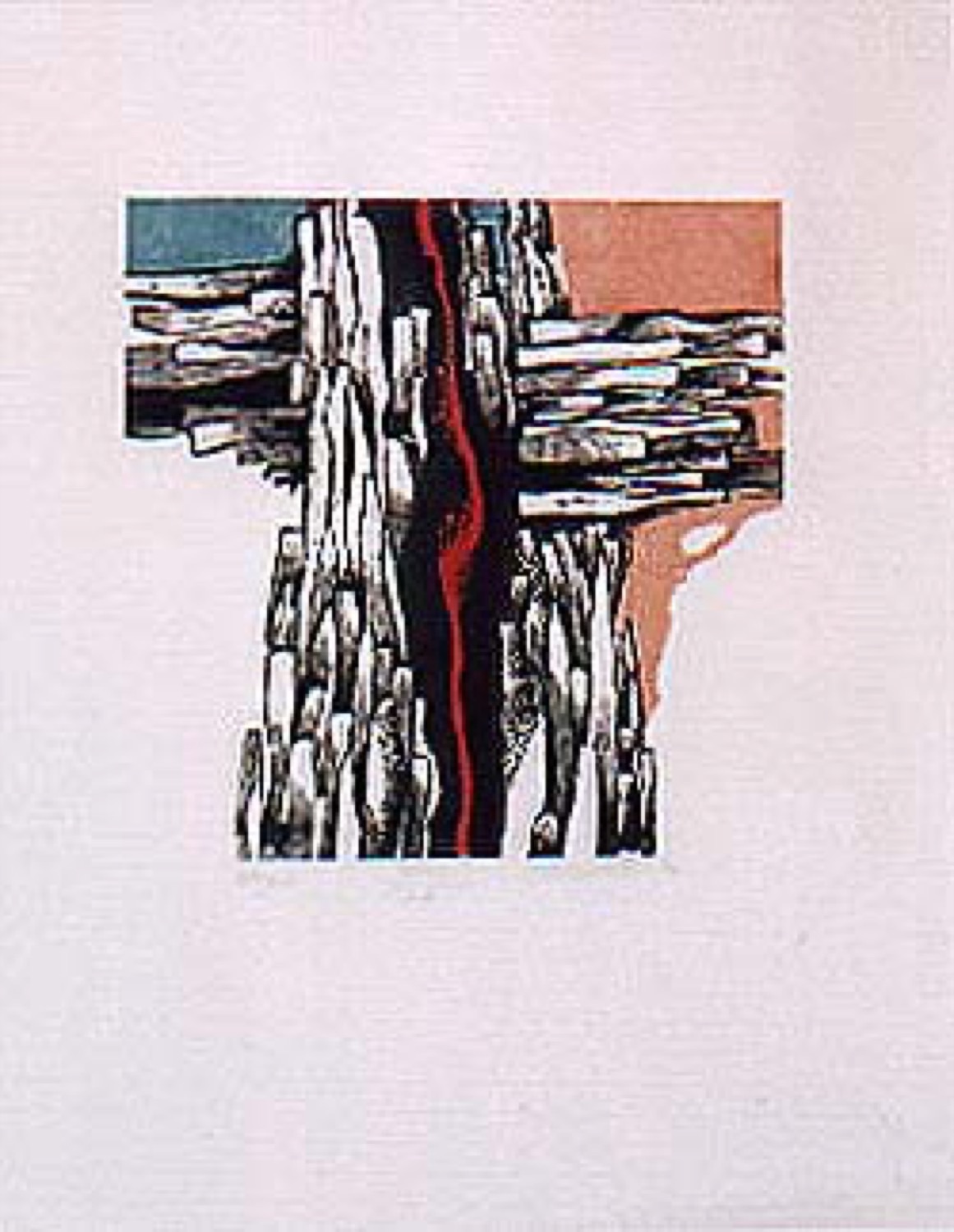
Etching
A metal plate is coated with a material that resists acid, called the ground. The artist draws the design on the ground with a sharp needle, which removes the ground where it touches. When the plate is placed in an acid bath, the exposed parts are etched away, producing sunken lines that receive the ink. The plate, in contact with damp paper, is passed through a roller press, forcing the paper into the sunken areas to receive the ink.
Process
A metal plate — typically copper or zinc — is coated in acid-resistant ground. The artist draws through the ground with a needle; acid bites the exposed lines. Ink is worked into the recessed channels and the surface wiped clean before printing.
Example in the Portfolio
H&O 15 — Rivka Freidman (Israel)
04
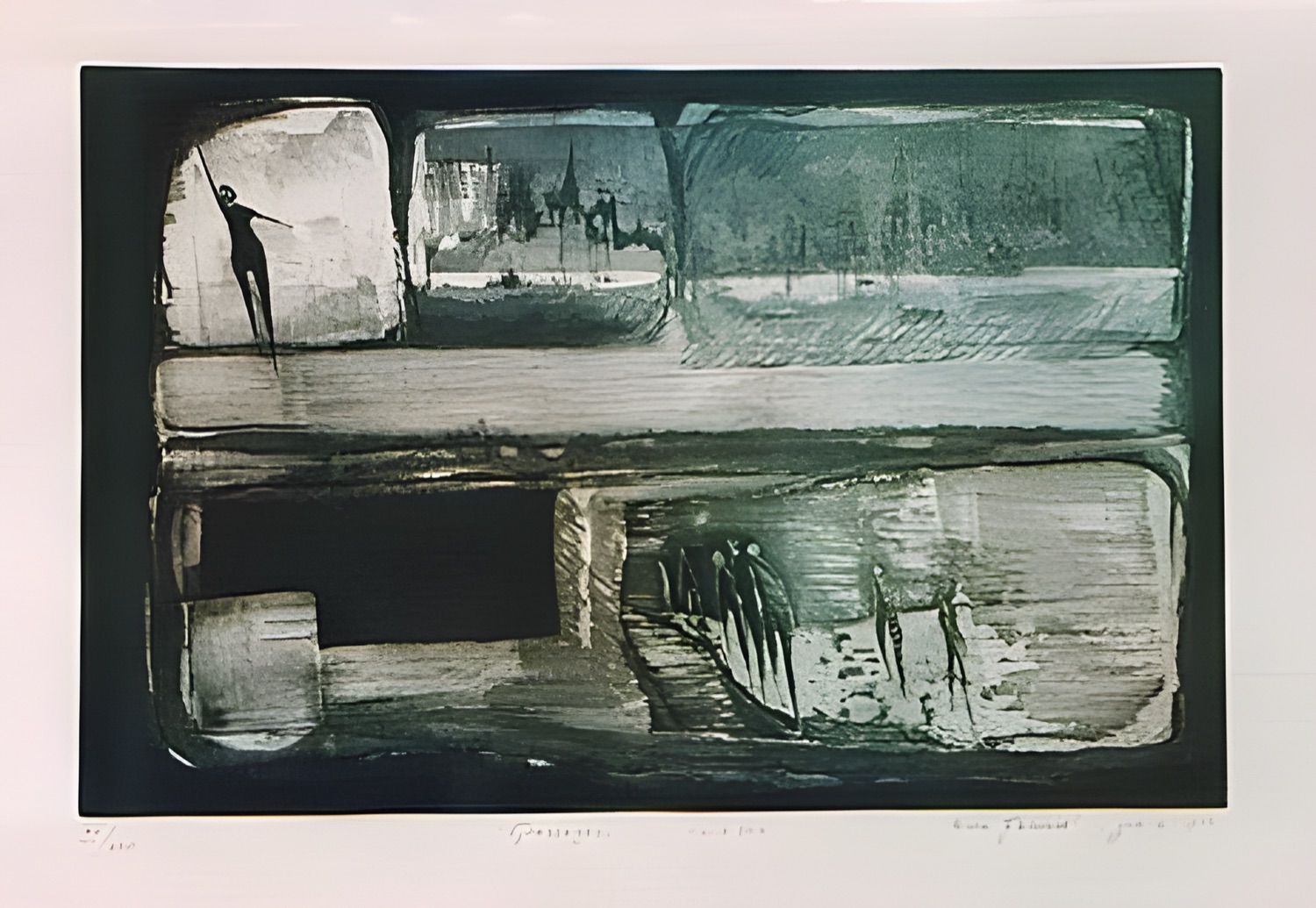
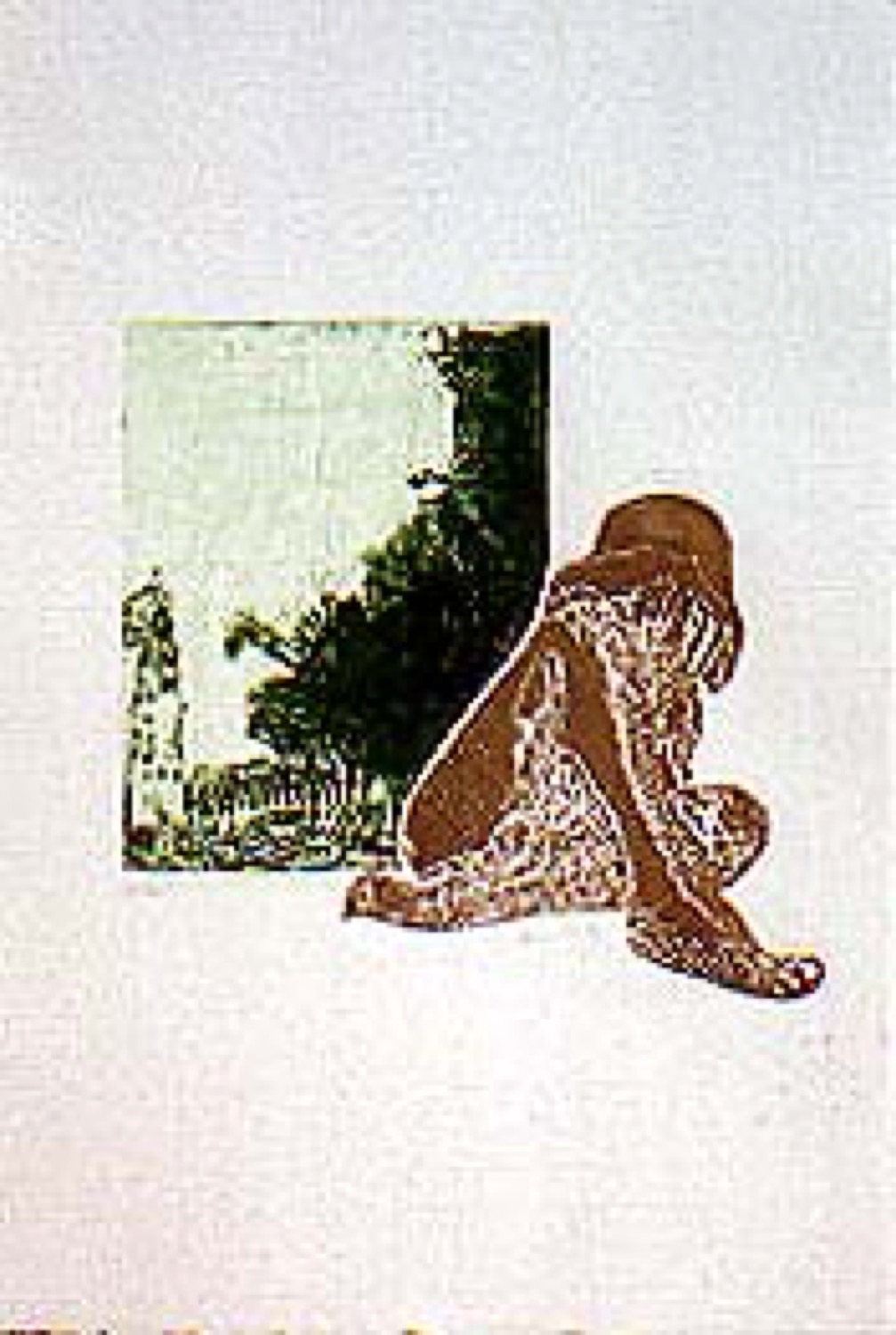
Aquatint
A copper plate is protected by a porous, semi-acid-resistant ground. The white (non-printing) areas are covered with a wholly acid-resistant varnish. The plate is repeatedly placed in acid baths, etched to differing depths. The final effect is an image on a fine pebbled background. Aquatint is usually employed in combination with line etching.
Process
Powdered rosin is fused to the plate surface and the plate is bitten in acid in stages, stopping out areas to preserve different tonal values. The longer the acid acts, the darker the final tone — from the palest grey to deep, velvety black.
Example in the Portfolio
H&O 23 — Henrique da Silva (Portugal)
05
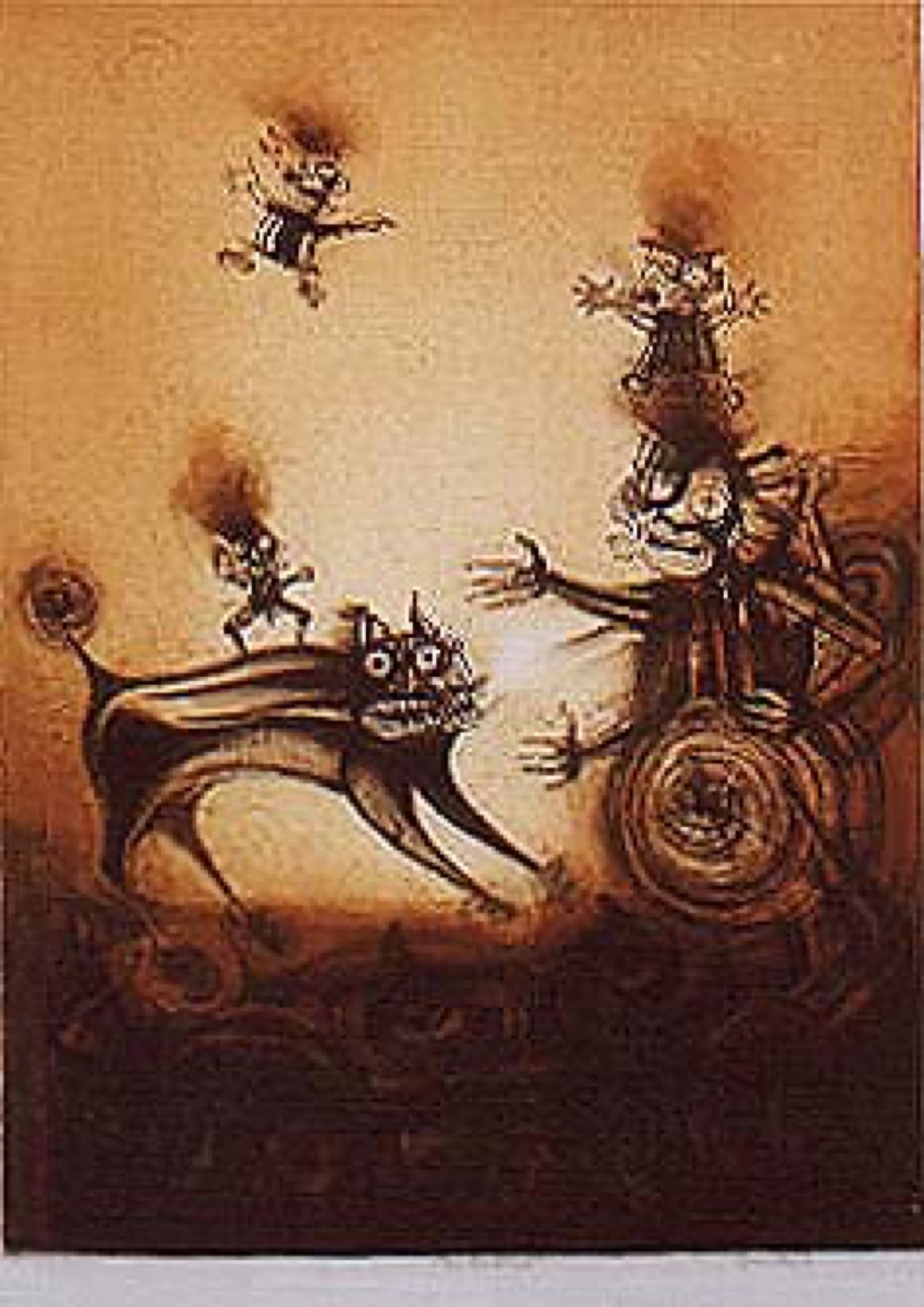
Lithograph
The artist draws directly on a flat stone or specially prepared metal plate, usually with a greasy crayon. The stone is dampened with water, then inked. The ink clings to the greasy marks but not to the dampened areas. When paper is pressed against the stone, the ink on the greasy parts is transferred to it.
Process
The artist draws with lithographic crayon or tusche on a prepared limestone or aluminium plate. The surface is chemically treated to fix the drawing. When inked, grease-receptive areas take the ink while the dampened blank areas repel it.
Example in the Portfolio
H&O 38 — Alberto Quintanilla (Peru)
06
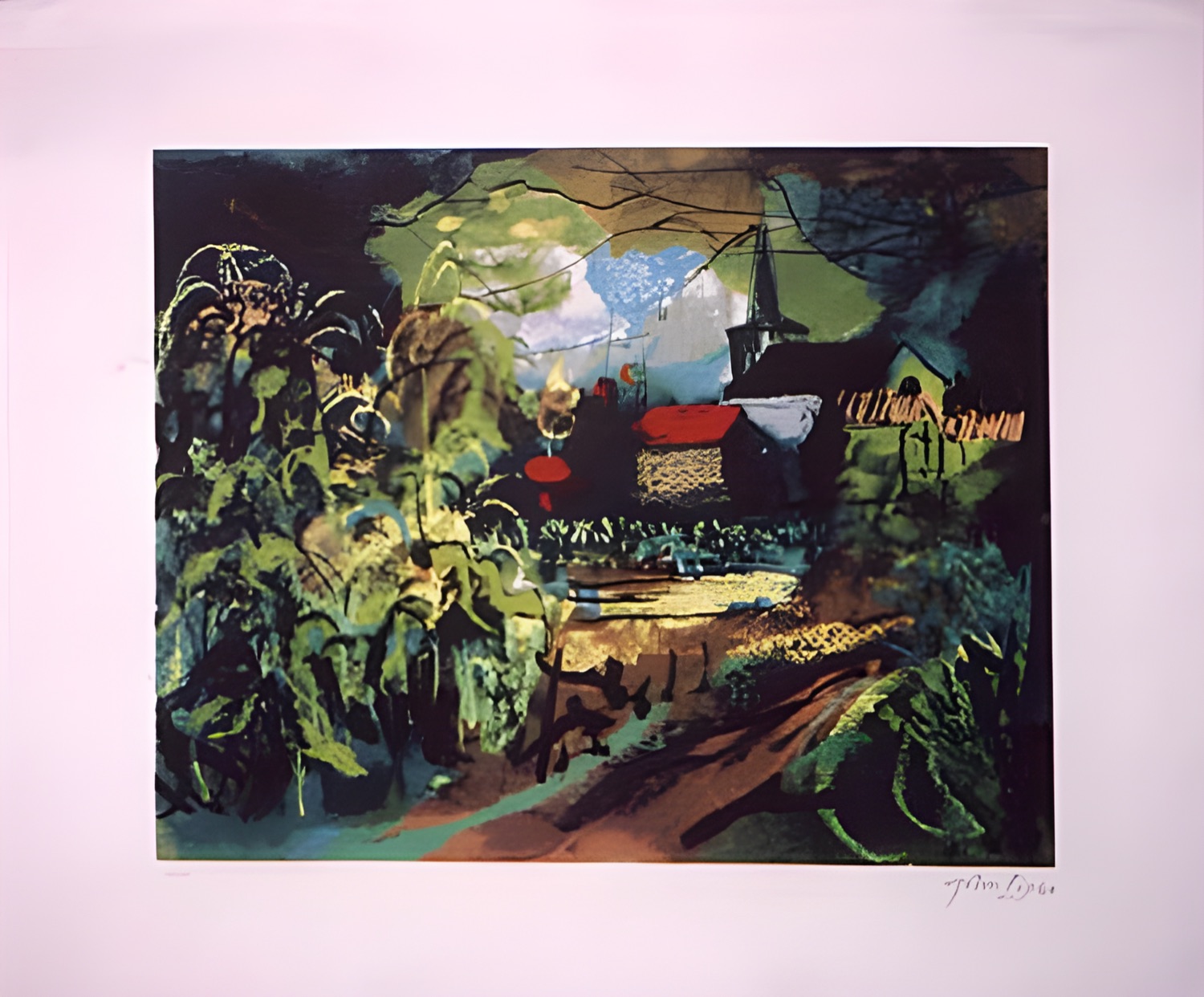
Screenprint
The artist prepares a tightly stretched screen, usually of silk, and blocks out areas not to be printed by filling the mesh with a varnish-like substance. Paper is placed under the screen and ink is forced through the still-open mesh onto the paper. Screenprints are sometimes referred to as serigraphs or silkscreens.
Process
A fine mesh screen is stretched over a frame. Areas not to be printed are blocked out with stencil or photographic emulsion. Ink is drawn across the screen with a squeegee, passing through open areas onto the paper below.
Example in the Portfolio
H&O 5 — John Piper (England)
07
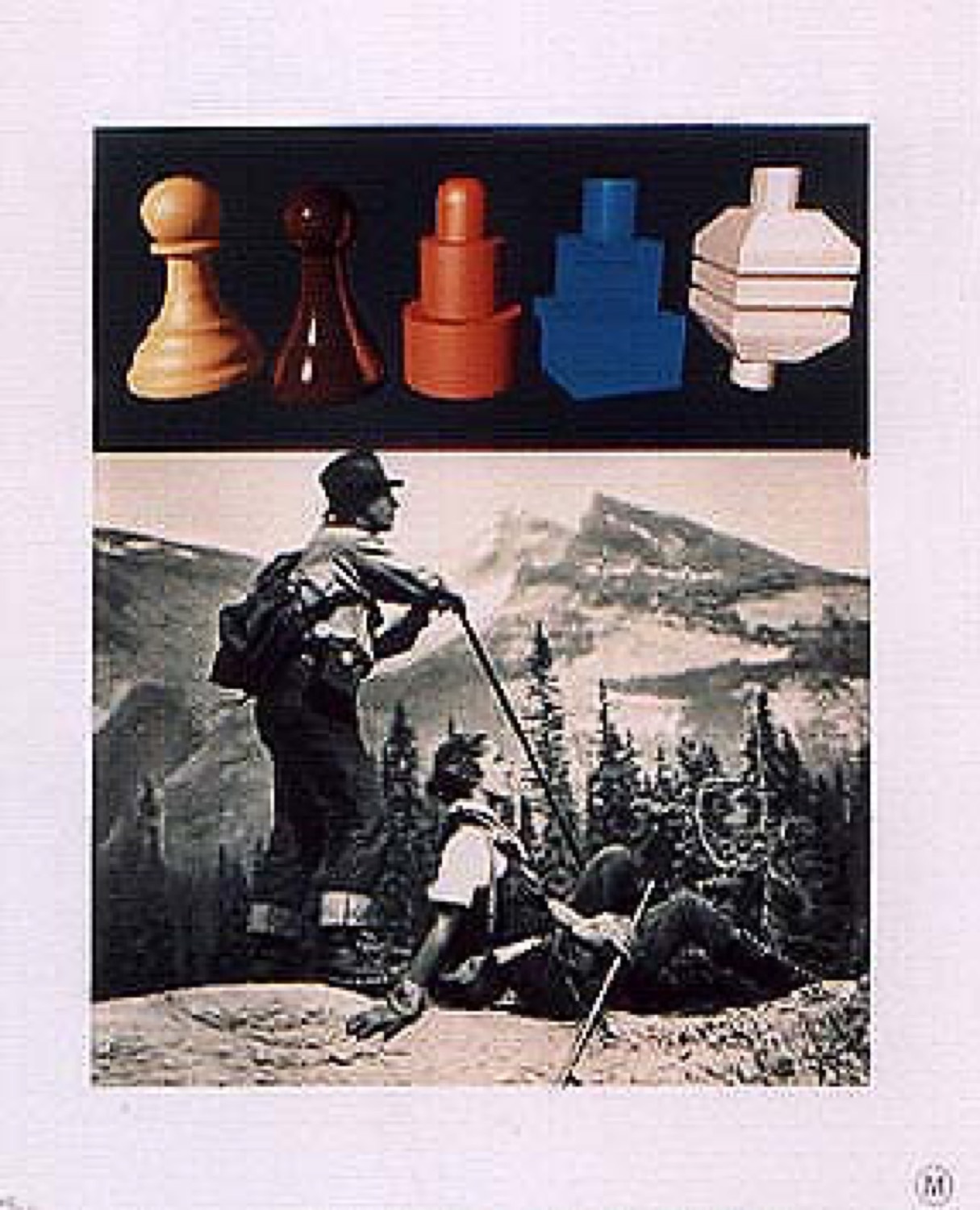
Photograph
A photograph that is editioned, signed and numbered like graphic prints is generally considered today as part of the print mediums available to artists — especially when a creative process occurs in the setup and/or development of the image.
Process
Images may be produced using traditional darkroom processes or fine-art digital printing, yielding works of exceptional tonal depth and archival permanence. All editions are signed, numbered, and produced to museum standards.
Example in the Portfolio
H&O 84 — MANUAL (USA)
08
Computer Generated Image
The computer is another medium available to the artist. As with the photograph, the computer-generated image evidently shows the creative input of the artist, and is editioned, signed and numbered. The image can be produced in another medium once created on the computer.
Process
Digital images are output using high-resolution printing onto archival paper. Edition integrity is maintained through the same rigorous documentation and signing process applied to all works in the portfolio.
Example in the Portfolio
H&O 43 — Leon Golub (USA)